Audio Transcription Services

HIPPA & CJIS Compliant

Fast Turnaround

Validated









1. Evidence Intake
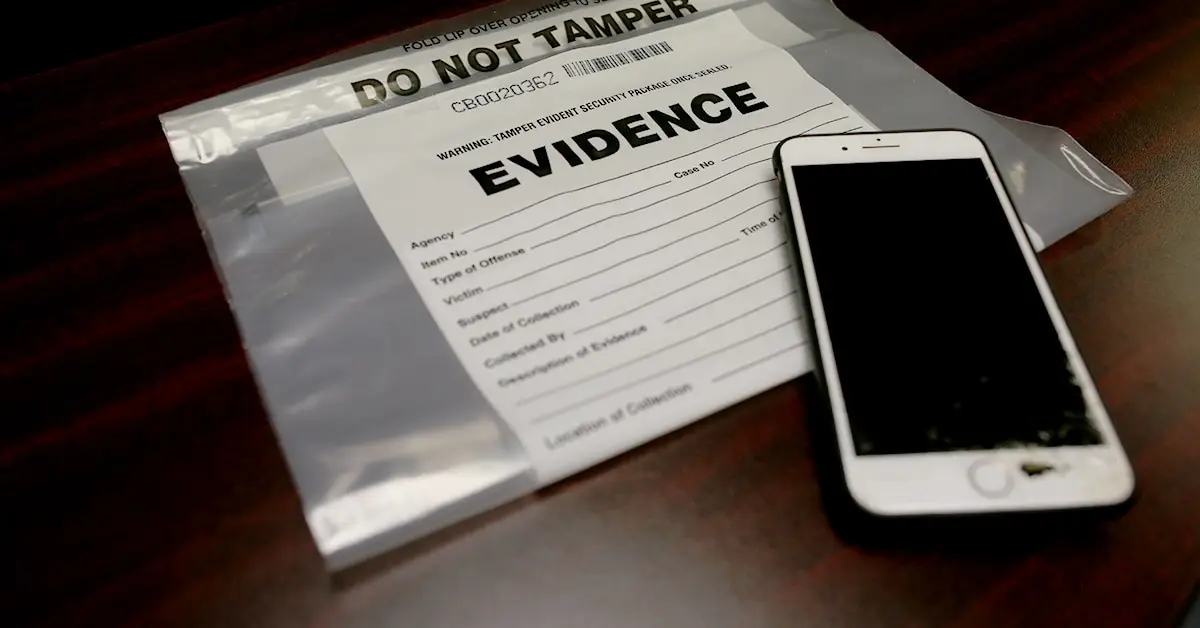
We can provide audio transcription services from common audio formats like WAV, MP3 and M4A. We can also provide audio transcription services from common video recorders, including Ring cameras, key fob cameras, button cameras, dash cameras, and body-worn cameras.
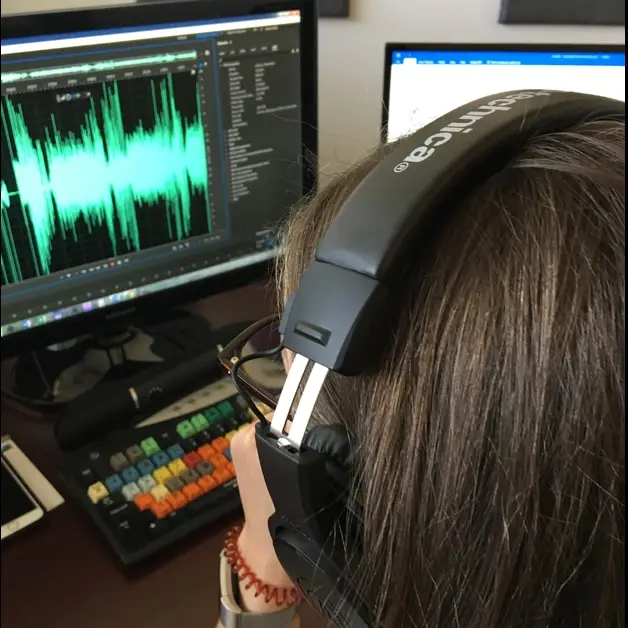
2. Audio Signal Preparation
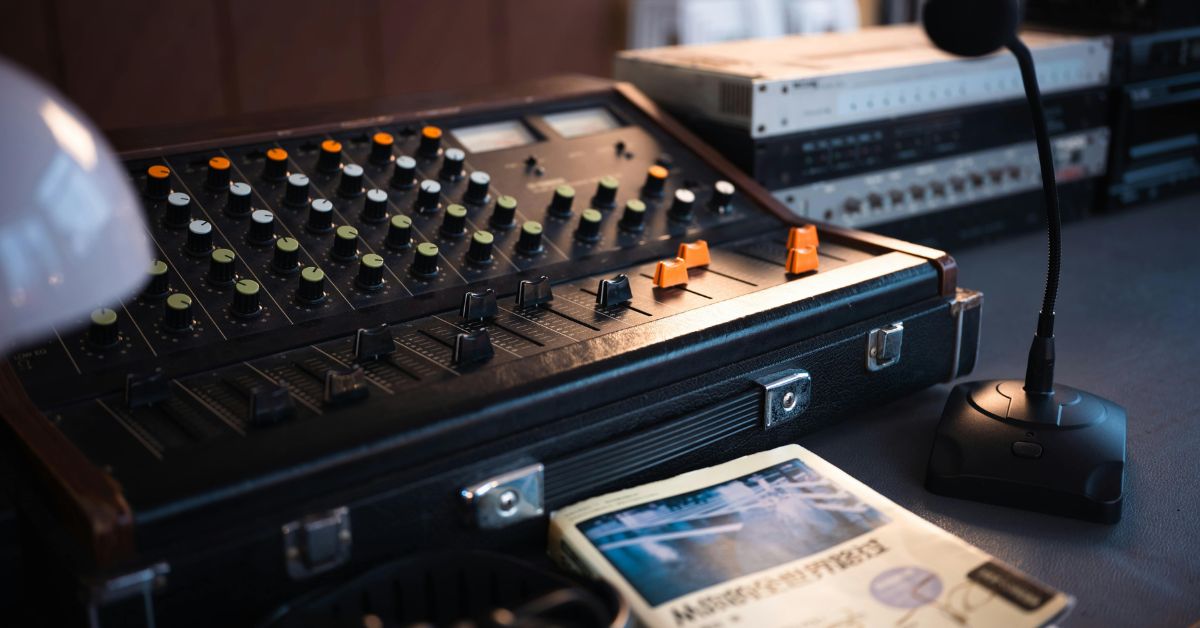
Primeau Forensics converts and cleans captured sound waves to ensure maximum fidelity and minimal noise interference so that your case highlights the truth.
3. Audio Enhancement
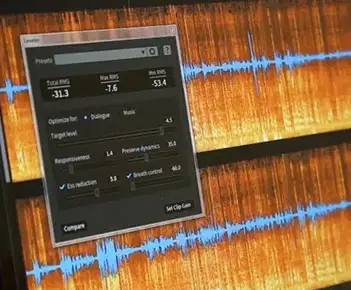
Some recordings contain distortions or other noises that make it difficult to detect or identify speech. Audio enhancement can help increase the intelligibility of poor-quality or unclear recordings throughout the transcription process. This process is thoroughly documented to meet best practices in Digital Forensics.
4. Critical Listening
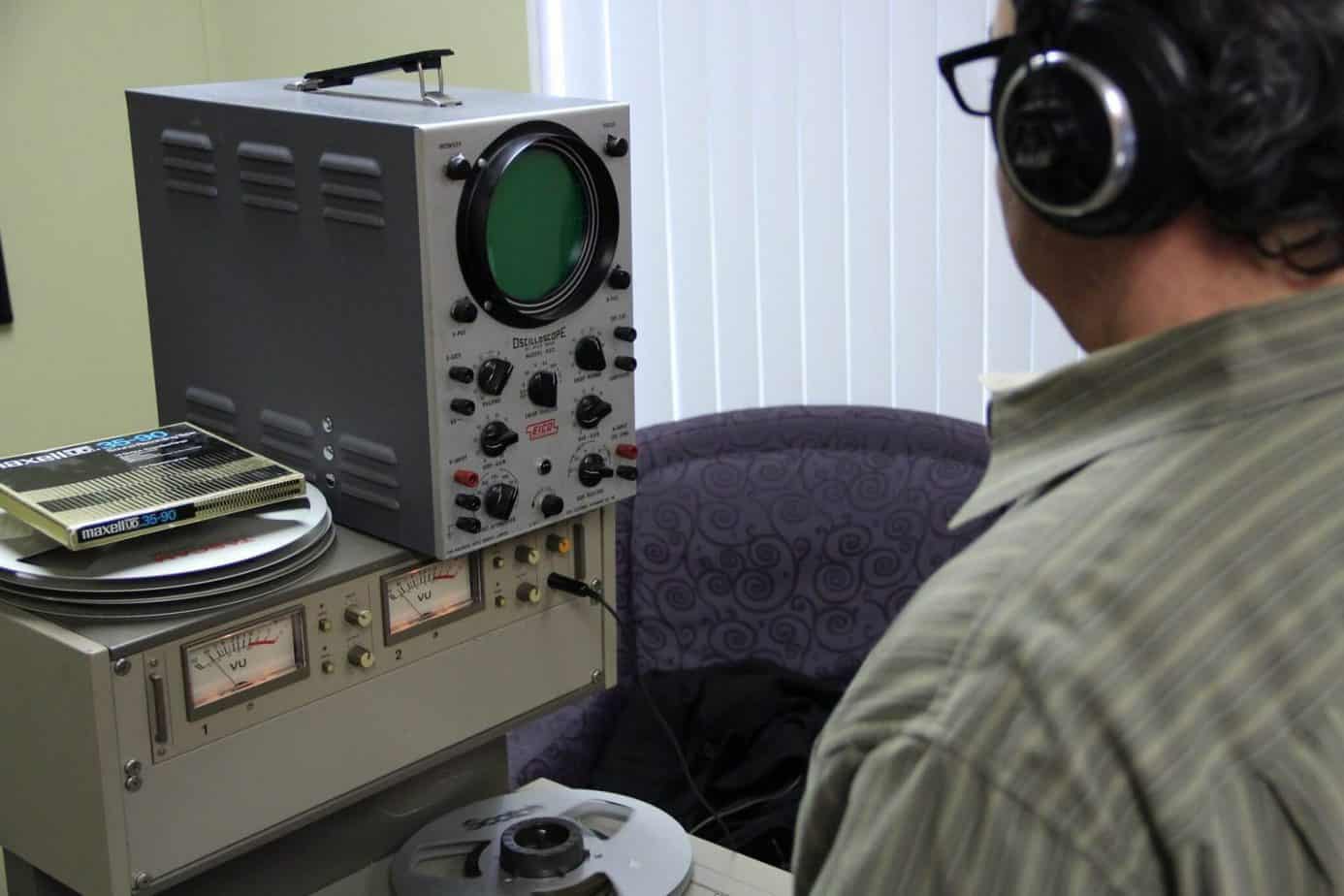
Evaluate the recorded evidence to gain context. This is a critical juncture for setting expectations regarding what is possible for transcription. Transcription for context and utterances is the key takeaway. We do not always determine an utterance or word spoken.
5. ASR Transcription (Automatic Speaker Recognition)
ASR (automatic speech recognition) tools that utilize open-source artificial intelligence models like Open Whisper are considered as accurate, if not more accurate than, the human ear when applied next. This methodology is most effective for recordings with multiple speakers or lengthier audio/video recordings. This process not only identifies speech but can also identify speakers through a process called Speaker Diarization.
6. Validate Transcription
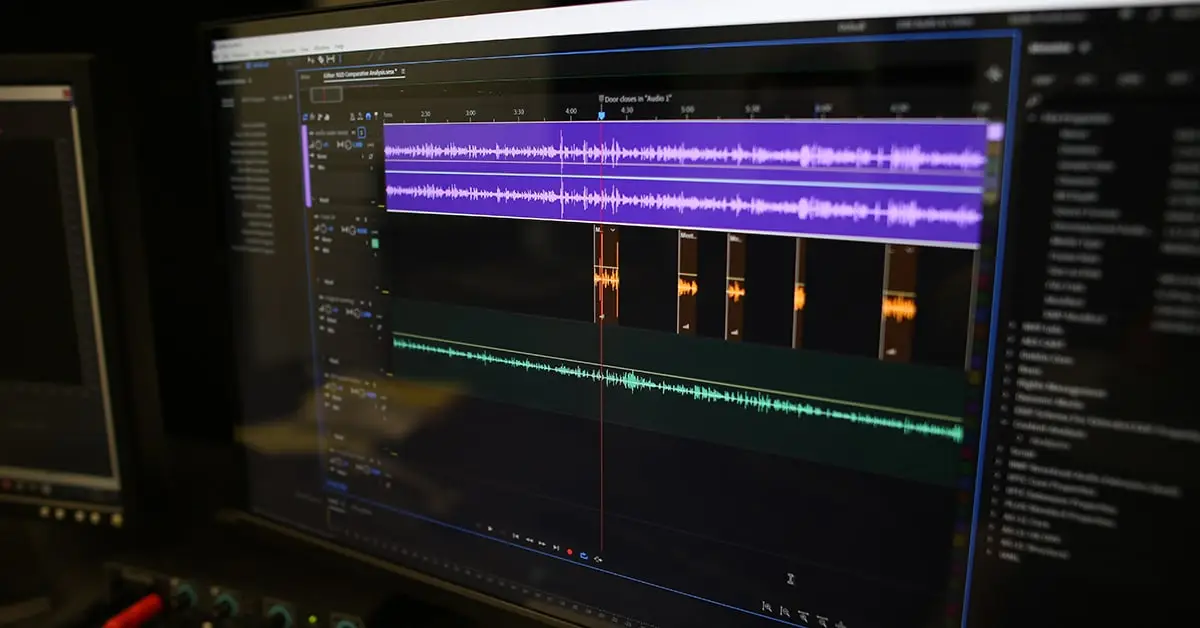
A transcription includes timestamps, which help the listener identify the specific portion of speech being transcribed, the speaker responsible for the speech, or other sounds.
7. Generate Exhibits & Certification
The forensic transcript may be used as evidence in court, during police investigations, or for intelligence gathering, authentication, and discovery purposes.