COURTROOM READY

Forensic AUDIO
ENHANCEMENT Services

Forensic audio enhancement or audio clarification is the process of reducing unwanted sounds in order to increase the wanted sounds, backed by the accuracy of forensic processes. 

Expert Forensic Audio Enhancement

At Primeau Forensics, we enhance audio recordings to deliver clearer, more intelligible evidence that is courtroom-admissible. Our audio forensic experts apply scientifically rigorous, repeatable techniques that improve the signal-to-noise ratio and reveal crucial speech and sounds. This helps judges, juries, and investigators understand what matters most in your case.

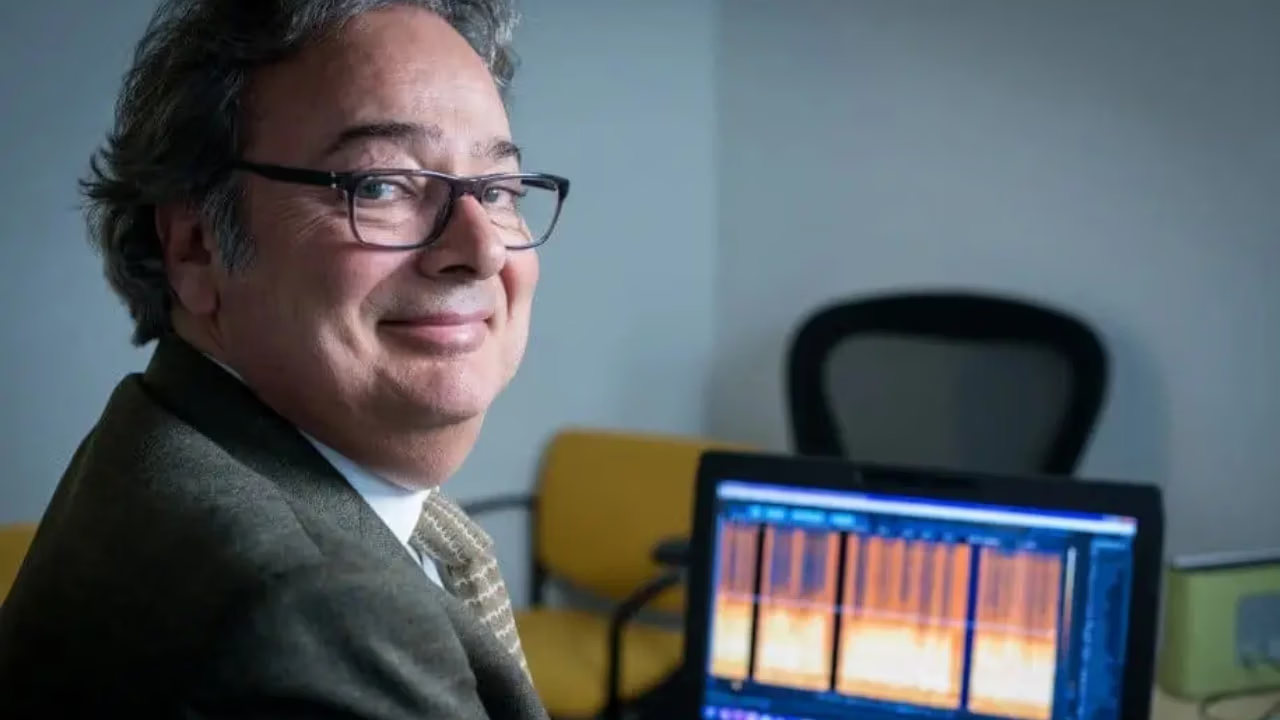
Edward Primeau, lead expert at Primeau Forensics, smiling next to a laptop displaying an orange audio spectrogram. The image highlights his digital audio analysis work, including his forensic audio consulting for high-profile media like the History Channel Flight 93 documentary.

Proven, Repeatable Methodology

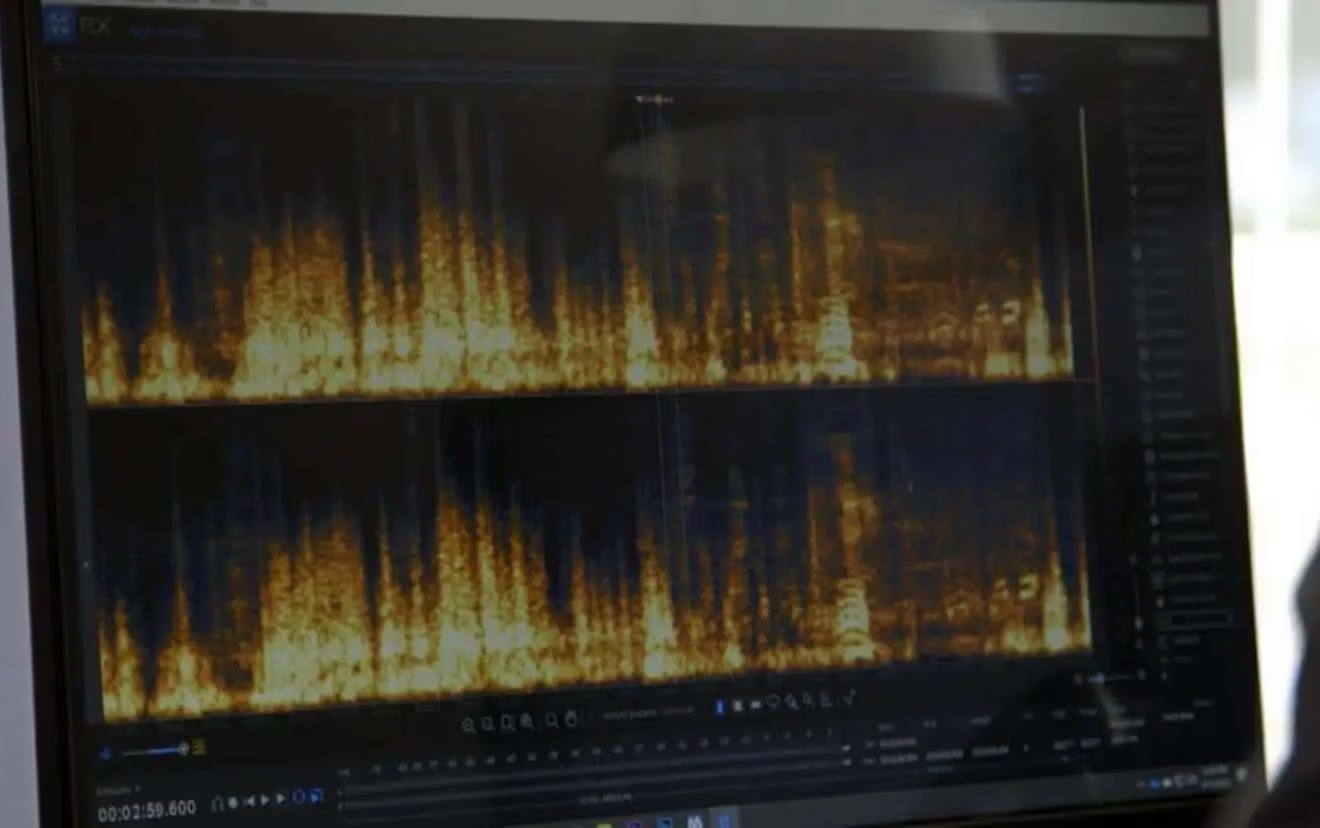
First, we evaluate the recording to determine whether enhancement is feasible. Then, we use proven, non-destructive processes to reduce unwanted noise and emphasize relevant dialogue or sounds. In every investigation, we document our methodology so that the results are reproducible and admissible under expert-testimony standards.
audio enhancement services

Audio Formats We Enhance

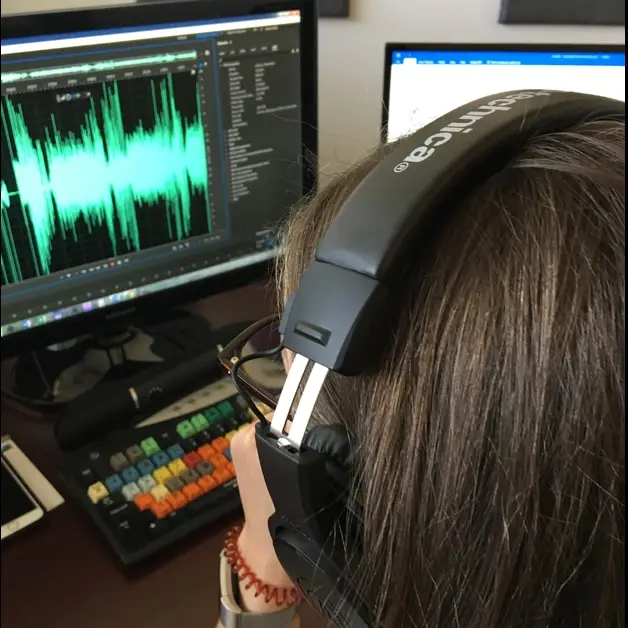
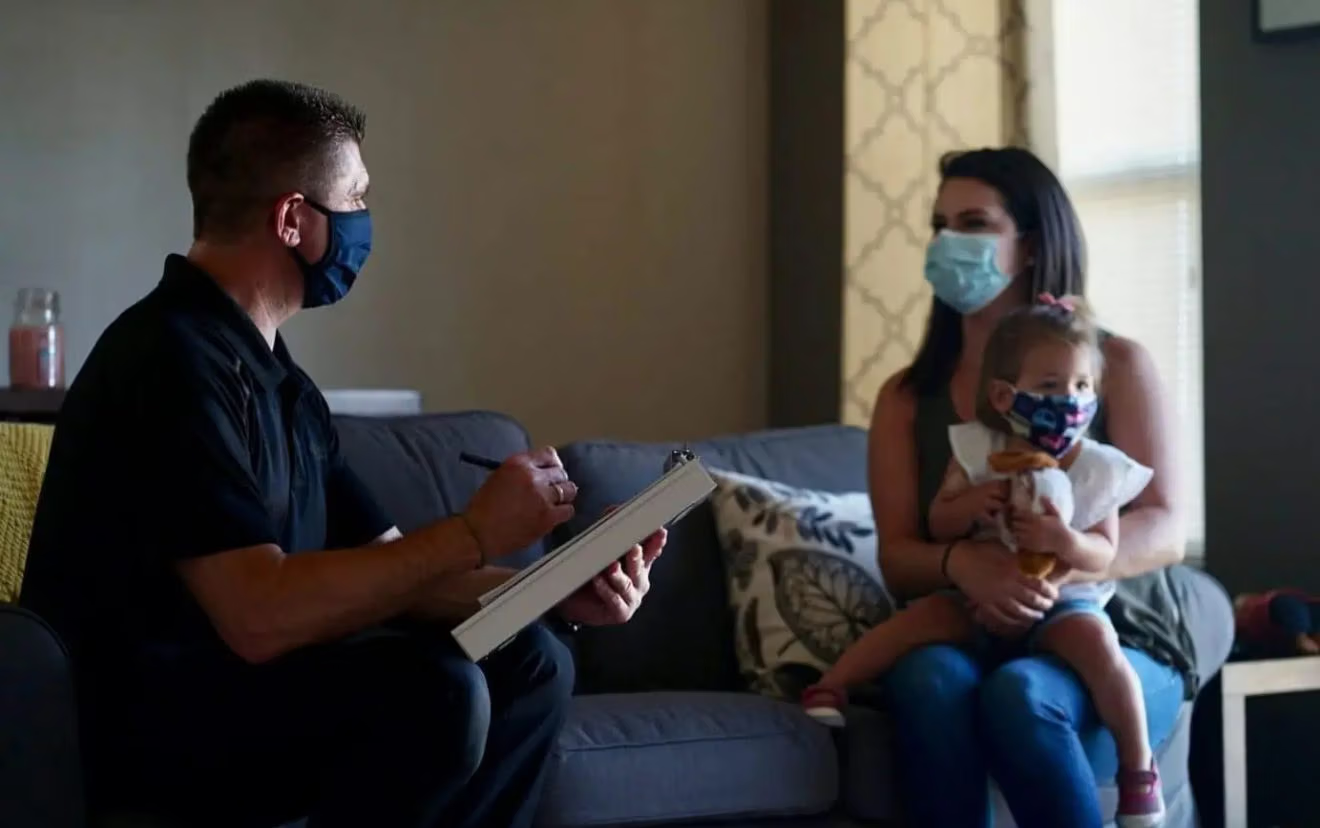
Audio evidence can be captured using devices like phones, tablets, or hidden recorders. However, when these recordings are placed poorly in a noisy environment, they introduce issues. Therefore, a qualified expert can fix these issues using forensic audio enhancement methods for courtroom use.

We work with many types of recordings, including:

Forensic Audio Enhancement Methodology

Audio enhancement is the processing and filtering of audio recordings to improve the signal quality and intelligibility of the signals of interest, such as speech, by attenuating noise or otherwise increasing the signal-to-noise ratio. Standard Terminology for Digital and Multimedia Evidence Examination (astm.org)

Evaluation

First, we analyze the audio quality and identify technical limitations. This allows us to determine if enhancement will meet case needs without wasting client resources.

Identification

Next, we pinpoint noise elements — such as wind, HVAC hum, static, clipping, or sirens — that obscure the key audio. We then isolate these elements for reduction.

Reduce/Remove

Then, using industry-standard tools, we reduce unwanted noise while preserving integrity. We also ensure that the original audio is not altered in a way that would jeopardize admissibility.

Enhancement

After cleaning up the audio, we amplify speech and other signals of interest. This increases clarity and improves intelligibility for human listeners and transcription processes.

Verification

Then, we validate the enhancement results to confirm accuracy and consistency. This process ensures that we can speak to the origin and admissibility of the file.

Expert Reporting & Testimony

Finally, we meticulously record every step. This documentation supports expert reports and courtroom testimony, helping ensure the truth is revealed in court.


Ensure Your Enhanced Audio Withstands Cross-Examination

Ensure that poor audio quality does not produce admissibility challenges, which can derail your entire legal strategy. We meticulously document our process to ensure your digital evidence is clearly understood and trusted by the Trier of Fact. Work with Primeau Forensics for unbiased, scientifically sound audio enhancement and expert witness testimony.

Audio Enhancement Processes

Moreover, our tools can extract audio from video files. We use the most up-to-date tools and court-admissible methods to ensure accuracy of voice enhancement and maintain signal integrity. Most importantly, these processes are completed in a calibrated, isolated, and acoustically optimized environment.

Voice Enhancement

For example, this advanced tool preserves the recording's atmosphere to amplify the speech. Overall, it is designed to divide dialogue from environmental sounds like pedestrians, cars, walking, climate, or other sounds.
ECHO-CANCELLATION

Our advanced tools provide echo cancellation, which reduces reverberation. More specifically, this process is most effective on recordings created in larger spaces where echo limits speech intelligibility.
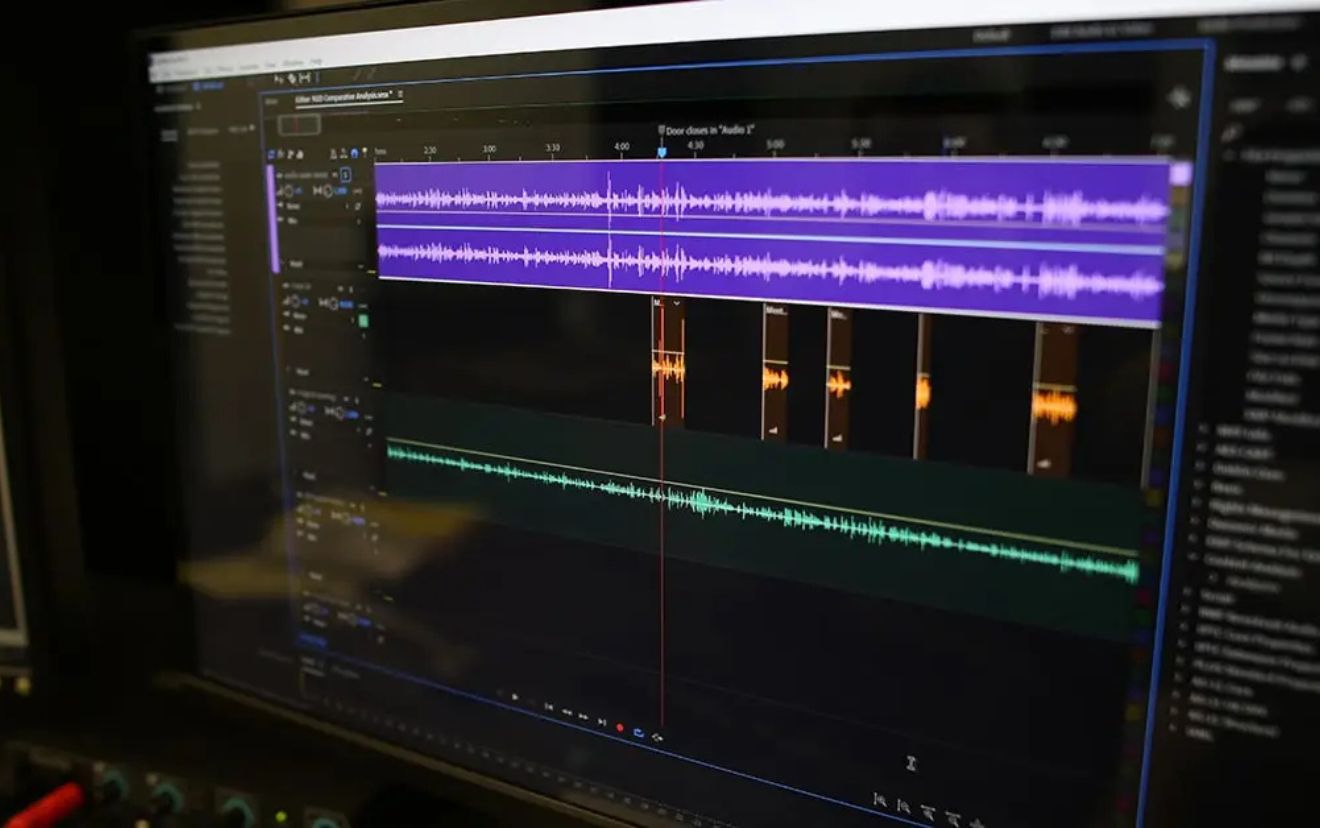
Noise Reduction

An expert reduces unwanted sounds using a noise profile, also called noise reduction or background noise reduction. Most importantly, this process does not affect important signals like dialogue.
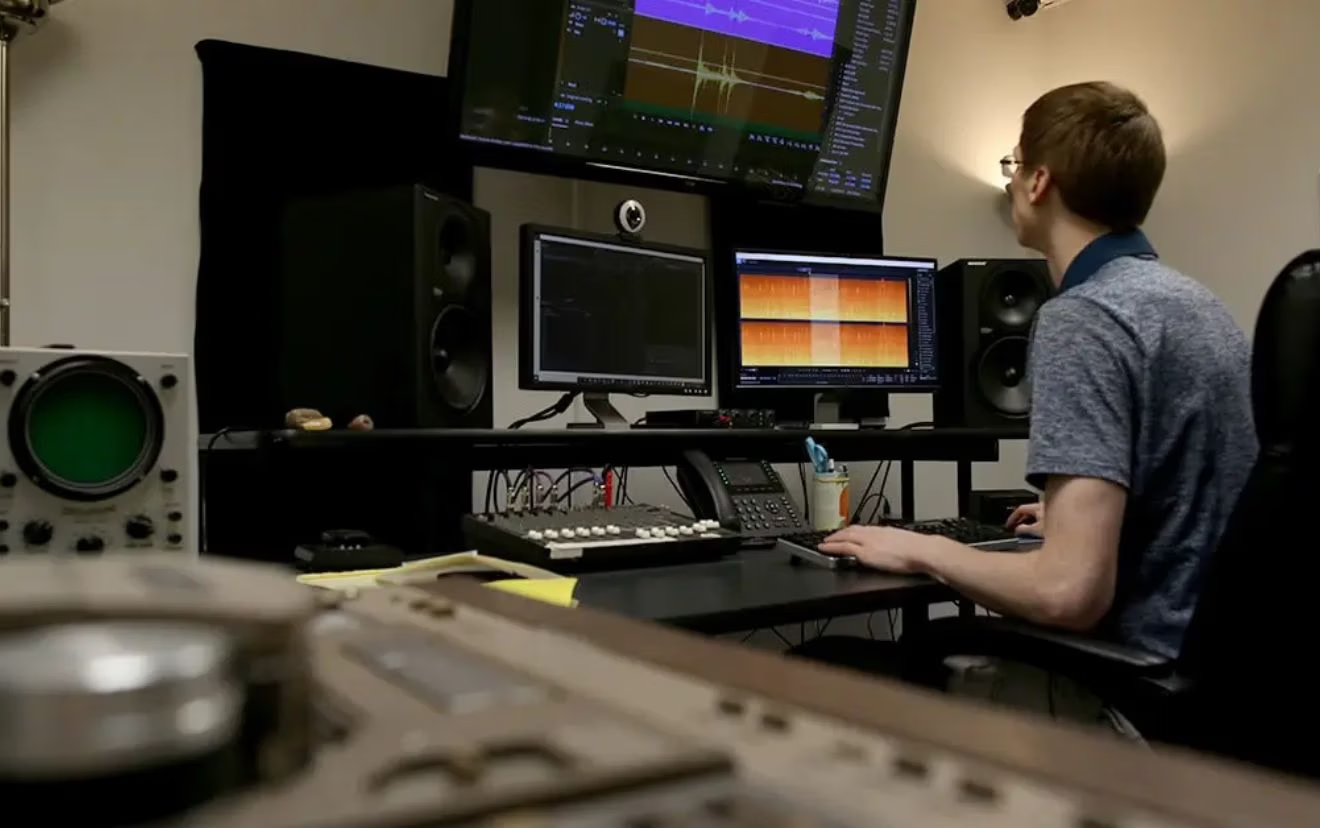
Critical Listening

Critical listening is the cornerstone of audio forensics because audio experts are trained as audio engineers first. Therefore, audio experts have highly trained ears that can pick up crucial audio segments that need enhancement.
Equalization (EQ)

Equalization is a process that reduces unwanted frequencies and enhances needed ones. For instance, with distracting frequencies reduced/removed, audio enhancement experts can perform other procedures smoothly.
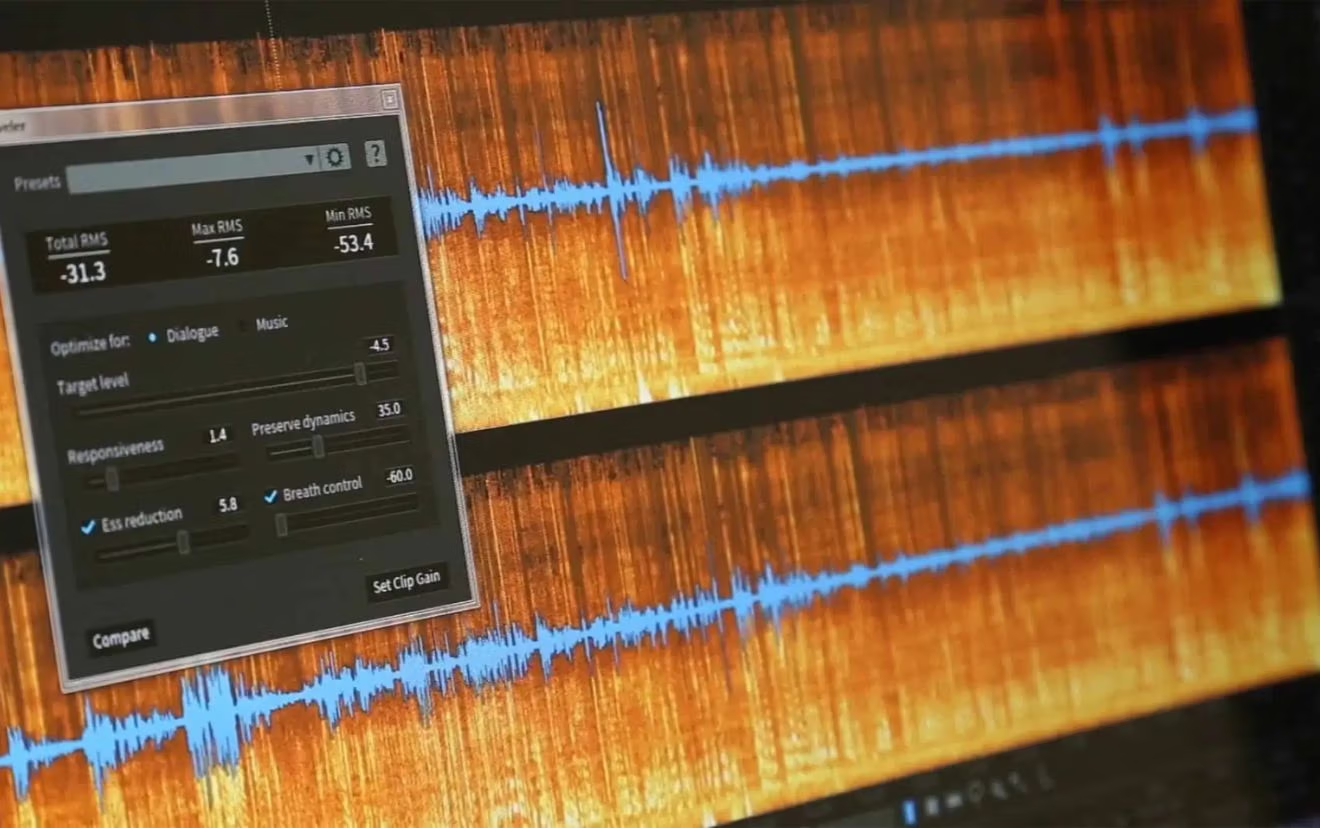
Dynamics Processing

Traditionally, compressing the sound raises the volume levels and balances them for clarity. Therefore, experts may use compression and gates to boost the sound and reduce any remaining unwanted noise.

STATE | FEDERAL | INTERNATIONAL

EXPERT WITNESS TESTIMONY

Because our experts are trained in both audio engineering and forensic science, we can interpret complex recordings and uncover evidence that others might overlook. Moreover, we deliver technical expertise with clear documentation that supports litigation strategy and expert testimony.

A courtroom sketch illustrating an expert witness testifying on the stand into a pair of microphones. An attorney questions the witness from the left, while a judge presides from the bench in the background next to an American flag, with a full jury box observing the trial.